


 Posts
Posts


by Glenn N. Holliman
In a previous posting, Lindsay Holliman of England wrote of his Holyman ancestors who live on and near Cuddington Buckinghamshire, England. By the late 18th century, a marriage took a great grandfather from Cuddington three miles away to the village of Long Crendon.
We continue his story below....
First some maps - Long Crendon is located half way between Oxford and Aylesbury in Buckinghamshire.


Below, a map of Cuddington. Note the Holyman farm in the upper center of the community. The Cuddington Mill in left center was owned by the Holymans at one time in the 16th Century.
 The Christopher Clark family, from which most America Hollimans are descended, would be the unnamed fields to the upper right of the vicarage. Dorothy Clark married Thomas Holyman (d 1558) and her father's name began to be handed down in the Holyman family, culminating in the immigration of Christopher Holyman's migration to Virginia in 1650. Lindsay Holliman adds: "The Clarkes still held Ridgebarn Farm until
about 1861. William Clarke was farming Ridgebarn in 1841, 1851 and
1861. Staying with him was the widowed Elizabeth Hollyman (nee
Boddington). By 1871 he was farming in Bledlow - where he was born."
The Christopher Clark family, from which most America Hollimans are descended, would be the unnamed fields to the upper right of the vicarage. Dorothy Clark married Thomas Holyman (d 1558) and her father's name began to be handed down in the Holyman family, culminating in the immigration of Christopher Holyman's migration to Virginia in 1650. Lindsay Holliman adds: "The Clarkes still held Ridgebarn Farm until
about 1861. William Clarke was farming Ridgebarn in 1841, 1851 and
1861. Staying with him was the widowed Elizabeth Hollyman (nee
Boddington). By 1871 he was farming in Bledlow - where he was born."
A Preface by Lindsay Holliman
Until the last decade of the 18th century, my known ancestors had been born, raised and died in Cuddington, Buckinghamshire. The family had been prominent in local life and had considerable land and property holdings – particularly in the 15th, 16th and early 17th centuries. It seems that, by the latter parts of the 17th century this had all been dissipated and my branch of the family tree were labouring.
As indicated below, in about 1791, my family moved about 4 miles away to the larger village of Long Crendon. Joyce Donald, in the preface to her 1979 book ‘The Letters of Thomas Hayton, Vicar of Long Crendon Buckinghamshire 1821 – 1887’ provides some insight into Long Crendon during the 18th century. It is in this environment that the next few generations of my family lived and worked.
'In 1824 there was enclosure of common fields. The rights of common grazing were extinguished and the large open fields were divided by neat hedges. The enclosure brought great social changes. As the land was now in blocks, it was now possible to build farm houses out in the country, and farmers could leave their old houses in the village. More land was sold for investment and then sub-let, and a new breed of farmer arrived in the village who had little concern for village people. As a result of this there were no landowners in the village.’
‘Much has been written about the idyllic 19th century village, but Long Crendon and most other Buckinghamshire villages were plagued by appalling poverty. Population grew steadily during the first half of the century, but that of Long Crendon increased by 71% - much more than neighbouring villages.’
In 1847 the Bucks Advertiser wrote: 'There were no fewer than 400 people residing in the parish. They are chiefly agricultural workers who with their wives and children from want of habitation in their own parish have been drawn to Crendon to obtain a home.'
The main work in the village was on the farms but this was precarious as labourers were often laid off during the winter months. Village women had traditionally made fine lace as a cottage industry, but this was badly paid and also being squeeze by mechanically made lace from the Nottingham area. Unusually for a village, Long Crendon also had a needlemaking home industry which had been started about 1600. There was no official school in the village until 1877.
The 19th Century English Ancestors of Lindsay Holliman....by Lindsay Holliman
James was born in Cuddington, Buckinghamshire in 1767 and baptized in the church of St Nicholas on 21 December 1767. He married Elizabeth Cook in the church of St Mary the Virgin in Long Crendon, a village three or so miles away, on 17 November 1791. They had 7 children (4 daughters and 3 sons), all of whom were born in Long Crendon.
James married Sarah Hendry in about 1821 and they had 5 children –
Thomas, Ann, Jane, Charles and John. James died on 20 May 1866 and was buried
at St Mary the Virgin church two days later. James had been a widower for about
6 years. His surname was Hollyman in earlier years but was, on occasions,
Holliman.
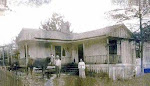
Below, Long Crendon in the 1890s...the thatched cottages survive into the 21st Century.

Next more on Lindsay's ancestors and their participation in the growing affluence of English life in the 19th and 20th Centuries....
Have questions about Holliman family history? You are invited to join the Hollyman Email List at Hollyman-Subscribe@yahoogroups.com and the Hollyman Family Facebook Page located on Facebook at "Hollyman Family". Post your questions and perhaps one of the dozens Holyman cousins on the list will have an answer. For more information contact Tina Peddie at desabla1@yahoo.com, the list and Facebook manager for Hollyman (and all our various spellings!).
There is also a massive Ancestry.com Holyman and Associated Families Tree available for review. For an invitation to this collection of over 18,000 individuals, please write glennhistory@gmail.com.
In a previous posting, Lindsay Holliman of England wrote of his Holyman ancestors who live on and near Cuddington Buckinghamshire, England. By the late 18th century, a marriage took a great grandfather from Cuddington three miles away to the village of Long Crendon.
We continue his story below....
First some maps - Long Crendon is located half way between Oxford and Aylesbury in Buckinghamshire.
In
map 2, notice how close Cuddington and Long Crendon are to each other.
Holymans also lived in Haddenham and other villages in Buckinghamshire. Christopher Holyman, d 1588, married into the Lee family of Dinton before moving to Sherington, Bucks. from Cuddington.
Below, a map of Cuddington. Note the Holyman farm in the upper center of the community. The Cuddington Mill in left center was owned by the Holymans at one time in the 16th Century.
A Preface by Lindsay Holliman
Until the last decade of the 18th century, my known ancestors had been born, raised and died in Cuddington, Buckinghamshire. The family had been prominent in local life and had considerable land and property holdings – particularly in the 15th, 16th and early 17th centuries. It seems that, by the latter parts of the 17th century this had all been dissipated and my branch of the family tree were labouring.
As indicated below, in about 1791, my family moved about 4 miles away to the larger village of Long Crendon. Joyce Donald, in the preface to her 1979 book ‘The Letters of Thomas Hayton, Vicar of Long Crendon Buckinghamshire 1821 – 1887’ provides some insight into Long Crendon during the 18th century. It is in this environment that the next few generations of my family lived and worked.
'In 1824 there was enclosure of common fields. The rights of common grazing were extinguished and the large open fields were divided by neat hedges. The enclosure brought great social changes. As the land was now in blocks, it was now possible to build farm houses out in the country, and farmers could leave their old houses in the village. More land was sold for investment and then sub-let, and a new breed of farmer arrived in the village who had little concern for village people. As a result of this there were no landowners in the village.’
‘Much has been written about the idyllic 19th century village, but Long Crendon and most other Buckinghamshire villages were plagued by appalling poverty. Population grew steadily during the first half of the century, but that of Long Crendon increased by 71% - much more than neighbouring villages.’
In 1847 the Bucks Advertiser wrote: 'There were no fewer than 400 people residing in the parish. They are chiefly agricultural workers who with their wives and children from want of habitation in their own parish have been drawn to Crendon to obtain a home.'
The main work in the village was on the farms but this was precarious as labourers were often laid off during the winter months. Village women had traditionally made fine lace as a cottage industry, but this was badly paid and also being squeeze by mechanically made lace from the Nottingham area. Unusually for a village, Long Crendon also had a needlemaking home industry which had been started about 1600. There was no official school in the village until 1877.
The above gives
a flavour of life and changes in Long Crendon during the 18th
century when my family was there.
The 19th Century English Ancestors of Lindsay Holliman....by Lindsay Holliman
James Hollyman, ca
1767 – 1853, my Great, Great, Great, Great Grandfather
James was born in Cuddington, Buckinghamshire in 1767 and baptized in the church of St Nicholas on 21 December 1767. He married Elizabeth Cook in the church of St Mary the Virgin in Long Crendon, a village three or so miles away, on 17 November 1791. They had 7 children (4 daughters and 3 sons), all of whom were born in Long Crendon.
I suspect
therefore that James moved from Cuddington to Long Crendon in 1791 when he
married. Elizabeth died on 20 May 1807 and was buried in Long Crendon church.
James then remarried six months later (no doubt to get help looking after all
his many children!) on 30 November 1807 – to Elizabeth Wright.
 James and the
second Elizabeth then had 4 children – 3 sons and 1 daughter. In the 1841
census (the earliest English census to have survived) James was an agricultural
labourer and I suspect that he had been such all his life. His second wife died
on 6 January 1851 and by the time of the 1851 census three months later James
was living with his son Richard. James died in 1853 and was buried at Long
Crendon on 14 September 1853.
James and the
second Elizabeth then had 4 children – 3 sons and 1 daughter. In the 1841
census (the earliest English census to have survived) James was an agricultural
labourer and I suspect that he had been such all his life. His second wife died
on 6 January 1851 and by the time of the 1851 census three months later James
was living with his son Richard. James died in 1853 and was buried at Long
Crendon on 14 September 1853.
James Hollyman, 1797
– 1866, my Great, Great, Great Grandfather
James was the
fourth child of the marriage of James and the first Elizabeth. He was born in
late 1797 and was christened at Long Crendon on 12 January 1798. He too was an
agricultural labourer who lived all his life in Long Crendon at various
addresses.
Below, Long Crendon in the 1890s...the thatched cottages survive into the 21st Century.
Next more on Lindsay's ancestors and their participation in the growing affluence of English life in the 19th and 20th Centuries....
Have questions about Holliman family history? You are invited to join the Hollyman Email List at Hollyman-Subscribe@yahoogroups.com and the Hollyman Family Facebook Page located on Facebook at "Hollyman Family". Post your questions and perhaps one of the dozens Holyman cousins on the list will have an answer. For more information contact Tina Peddie at desabla1@yahoo.com, the list and Facebook manager for Hollyman (and all our various spellings!).
There is also a massive Ancestry.com Holyman and Associated Families Tree available for review. For an invitation to this collection of over 18,000 individuals, please write glennhistory@gmail.com.


